Best Acoustic Panels for a Home Office
Quick answer
The Foroomaco Triangular Pyramid Bass Traps ($49.99) are the top pick for treating the corner reflections that cause the most noticeable echo on calls. The ATS Acoustics Corner Bass Trap ($249.99) is the ceiling option for a dedicated home studio that needs a documented NRC rating.
Researched from manufacturer specifications and verified owner reviews. Not independently tested in person.
Acoustic panels absorb reflections inside a room; they do not block sound from traveling into the next room, which is a mass and sealing problem that foam panels cannot solve regardless of thickness or price. The 24 Pack Pyramid Acoustic Foam ($34.99) is a reasonable starting point for a home office because it targets the specific issue video calls expose: sound bouncing off a hard desk, wall, or window and arriving at the microphone a fraction of a second after the direct voice, which is what listeners hear as an echo or a "boxy" room sound.

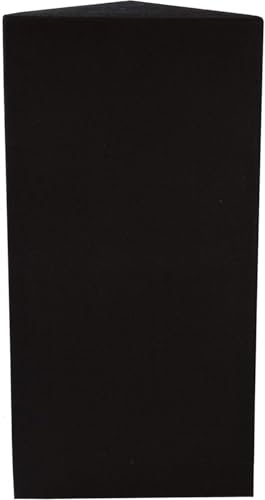
Foroomaco Triangular Pyramid Bass Traps for Ceiling Corners, 4 Pack, Black
Triangular corner bass traps target the specific reflection points, wall corners, where low frequency buildup and early reflections are strongest, which is a more targeted fix than flat panels spread across a wall.
The three tiers
24 Pack 2" Thick Pyramid Acoustic Foam, Sound Proof Foam Panels for Walls
A 24 pack of pyramid foam panels covers the first reflection points on the wall behind and beside a desk for under $35, which is the cheapest documented way to reduce echo on calls.
The trade off: Flat pyramid foam mainly absorbs mid and high frequencies well; it does little for the low frequency rumble that corner bass traps are specifically shaped to address.
- Starter
24 Pack 2" Thick Pyramid Acoustic Foam, Sound Proof Foam Panels for Walls
$34.99 Check pricePrices change often

Foroomaco Triangular Pyramid Bass Traps for Ceiling Corners, 4 Pack, Black
Corner bass traps target wall corners specifically, where low frequency energy builds up and reflections are strongest, complementing flat panels rather than duplicating them.
The trade off: A 4 pack only treats two or so corners fully; a room with more untreated corners may need a second set for even coverage.
- Buy once
Foroomaco Triangular Pyramid Bass Traps for Ceiling Corners, 4 Pack, Black
$49.99 Check pricePrices change often
ATS Acoustics Corner Bass Trap, Low Frequency Range, NRC 1.40, 24" x 48" x 13" (Black)
ATS Acoustics documents a specific NRC rating of 1.40 on this corner trap, meaning the absorption performance is independently rated rather than described only in marketing language, which matters for anyone treating a dedicated recording space.
The trade off: At $249.99 for a single large trap, the cost per corner is far higher than the foam options, and the size is built for a larger room than a typical home office corner.
Who should not buy it: A casual home office used mainly for video calls, where the starter or mid tier options solve the practical echo problem at a fraction of the cost.
- Ceiling
ATS Acoustics Corner Bass Trap, Low Frequency Range, NRC 1.40, 24" x 48" x 13" (Black)
$249.99 Check pricePrices change often
How we chose
We did not test these panels in person or measure absorption with equipment. Every claim here comes from the manufacturer specification sheet, the product listing, and a read of verified owner reviews.
We prioritized products that describe their shape and placement purpose clearly, flat panels for wall reflections versus corner traps for bass buildup, over products marketed only with a generic "sound proofing" claim, since that distinction is the most useful thing a shopper in this category can understand before buying.
What do acoustic panels actually do?
Acoustic panels absorb sound reflections within the room they are installed in. When someone speaks near a desk, sound travels directly to the microphone or the ear of the listener, but it also bounces off nearby hard surfaces, a wall, a window, a desk, and arrives a fraction of a second later as a reflection. That layered arrival is what creates the hollow or echoing sound common in untreated home offices on video calls.
This is a completely different problem from blocking sound between rooms, which is a mass and sealing problem: stopping a voice or a dog barking in the next room from being heard requires adding mass to a wall or sealing air gaps, not absorbing reflections. Foam and fabric panels, no matter how thick, do very little for sound transmission between rooms. Anyone whose real goal is quiet from the room next door needs a different solution than acoustic panels.
Where should acoustic panels go in a home office?
The first reflection points, the spots on the wall and ceiling where sound from your mouth would bounce once before reaching a microphone or your own ears, are the highest value locations for panels. For a typical desk setup, that usually means a section of wall directly behind the monitor, and often a section to each side at roughly ear height when seated. Corners are a separate priority because low frequency sound energy builds up there more than on flat wall sections, which is why dedicated corner bass traps are shaped differently from flat panels.
| Product | Price | Shape | Targets | Rated performance |
|---|---|---|---|---|
| 24 Pack Pyramid Foam | $34.99 | Flat panel, pyramid surface | Mid and high frequency wall reflections | Not independently rated |
| Foroomaco Corner Bass Traps | $49.99 | Triangular, corner mount | Low frequency buildup in corners | Not independently rated |
| ATS Acoustics Corner Trap | $249.99 | Large triangular corner trap | Low frequency buildup, broad range | NRC 1.40 documented |
What is NRC and why does it matter?
NRC, or Noise Reduction Coefficient, is a standardized rating that describes how much of the sound hitting a material gets absorbed rather than reflected, on a scale most commonly ending around 1.0 for materials that absorb nearly everything measured. A product that publishes an NRC rating has been tested against a defined standard, which is meaningfully different from a product that only claims "soundproof" or "noise reducing" without a number attached. Not every acoustic panel on the market publishes this rating, and its absence does not automatically mean a product performs poorly, but a published rating gives a shopper something concrete to compare against another product.
Will acoustic panels stop noise from outside my office?
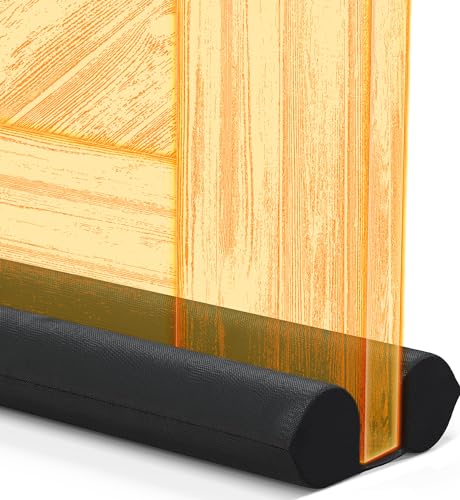
No, and this is the single most common misunderstanding shoppers bring to this category. Sound traveling between rooms, or from outside through a window or door, moves as vibration through structure and air gaps, and stopping it requires adding mass, such as a heavier door, or sealing gaps, such as weatherstripping or a door draft stopper. Acoustic foam panels absorb reflections inside the room they are mounted in; they do essentially nothing to block sound from entering or leaving through walls, doors, or windows. Anyone dealing with noise bleeding in from another room or the outside needs a door seal or structural fix, not more foam panels.
Do acoustic panels improve video calls even without a dedicated microphone?
Yes, and this is often where the benefit is most noticeable. Laptop and webcam microphones are typically more sensitive to room reflections than a dedicated desktop microphone with directional pickup, because built in microphones are usually omnidirectional and pick up sound from the whole room rather than mainly from directly in front. Treating the first reflection points behind and beside a desk reduces that pickup even when using a basic built in microphone, which makes acoustic panels a reasonable investment even for someone who has not yet upgraded their microphone.
Quiet the room around the desk
Shown across the range this category actually spans, from $15.86 to $249.99, rather than the cheapest few.
- Everlasting Comfort
Everlasting Comfort Under Door Draft Stopper for Bottom of Doors, 1 Pack
$15.86 Check pricePrices change often - ZAPPUP
Triangular Corner Bass Traps Acoustic Foam 4 Pack for Studio Home Theater
$35.99 Check pricePrices change often - FOROOMACO
Foroomaco Triangular Pyramid Bass Traps for Ceiling Corners, 4 Pack, Black
$49.99 Check pricePrices change often - ATS Acoustics
ATS Acoustics Corner Bass Trap, Low Frequency Range, NRC 1.40, 24" x 48" x 13" (Black)
$249.99 Check pricePrices change often


Buying tips
- Cover the first reflection points, directly behind the desk and to the sides at ear height, before spreading panels evenly across an entire wall.
- Pair flat panels with at least one corner bass trap if the room sounds boomy or hollow on recordings, since flat panels alone do little for low frequency buildup in corners.
- If the real complaint is noise from another room, address door seals and gaps first; panels will not fix a transmission problem.
Get the desk setup checklist
One page: the measurements to take, the order to set them in, and the numbers to check against. Free, no spam.
The mailing list opens shortly. Every measurement it covers is already on this site, in the calculators and the fit tables, at no cost and with no address required.
Questions people ask
Do acoustic panels soundproof a home office?
No. Soundproofing means blocking sound from traveling between rooms or from outside, which is a mass and sealing problem solved with heavier doors, sealed gaps, and structural changes. Acoustic panels absorb reflections inside the room they are mounted in, improving how a space sounds for calls and recordings, but they do essentially nothing to stop noise from entering or leaving through walls, doors, or windows.
How many acoustic panels do I need for a home office?
There is no universal number, since it depends on room size and how reflective the surfaces already are, but covering the first reflection points, the sections of wall directly behind and to the sides of the desk at roughly ear height, is the highest value starting point. A 24 panel pack is generally enough to treat those key points in a typical home office, with room left over for a corner or two.
What is the difference between a flat foam panel and a corner bass trap?
A flat panel is designed to absorb reflections off a flat wall or ceiling surface and works best on mid and high frequency sound. A corner bass trap is shaped to fit into a room corner, where low frequency sound energy naturally accumulates more than on flat surfaces, and it is built to absorb that lower frequency range more effectively than a flat panel can.
Can acoustic panels reduce echo from a hard floor?
Wall and ceiling panels help somewhat with overall room reflections, but a hard floor, especially in a room with few other soft surfaces, contributes its own reflections that wall panels alone will not fully resolve. A rug or another soft floor covering addresses that specific reflection source directly and is a reasonable addition alongside wall panels in a room with hard flooring.
Is NRC 1.0 the best possible acoustic rating?
NRC is typically expressed on a scale where 1.0 represents nearly complete absorption of the sound tested against the standard, and some specialized products are rated at or slightly above 1.0 due to how the test accounts for edge effects on a mounted sample. A product rated significantly below 1.0 still provides real absorption; NRC is a comparison tool between products, not a pass or fail threshold.
Do I need acoustic panels if I only take occasional video calls?
It depends on how the room currently sounds. A small number of first reflection point panels behind the desk is a low cost way to notice a real difference on calls, even for occasional use, since most of the improvement comes from treating just a few key spots rather than the whole room. Someone recording audio or video regularly for work gets more return from a more complete treatment including a corner trap or two.